The LEI in Numbers: Q2 2026 Signals Growing Regional Momentum for the LEI
Continued growth of the Global LEI System in Q2 2026 reflects the expanding use of the Legal Entity Identifier (LEI) across sectors and regions.
Author: Alexandre Kech
Date: 2026-07-23
Views:
The Global LEI Foundation (GLEIF) is proud of its ongoing transparency initiatives, including its open approach to providing unrestricted access to the latest LEI data from around the world with the Quarterly LEI System Business Reports, which are made publicly available free of charge. Through this ‘LEI in Numbers’ blog series, GLEIF highlights key data from the latest report, explaining trends and profiling successes from the global LEI rollout.
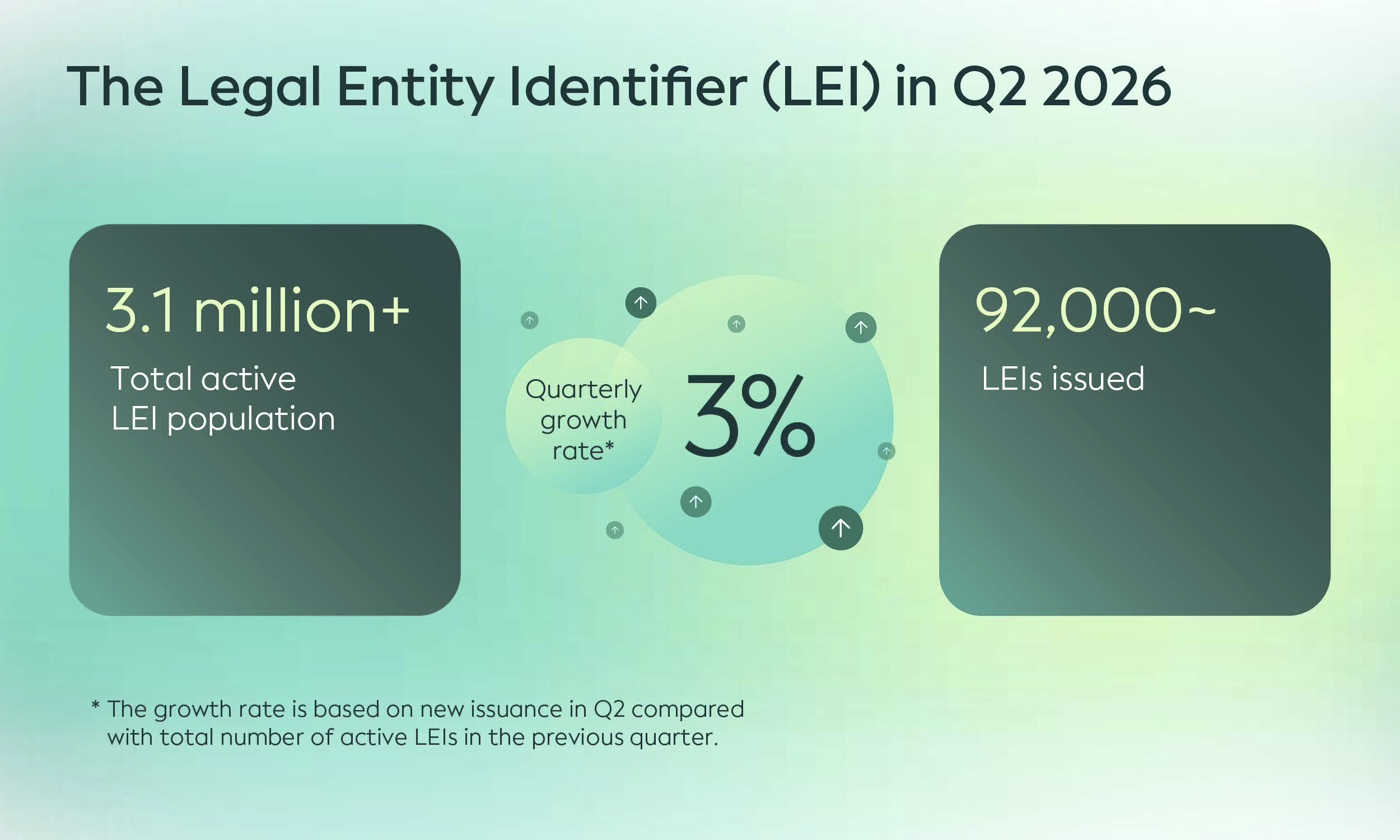
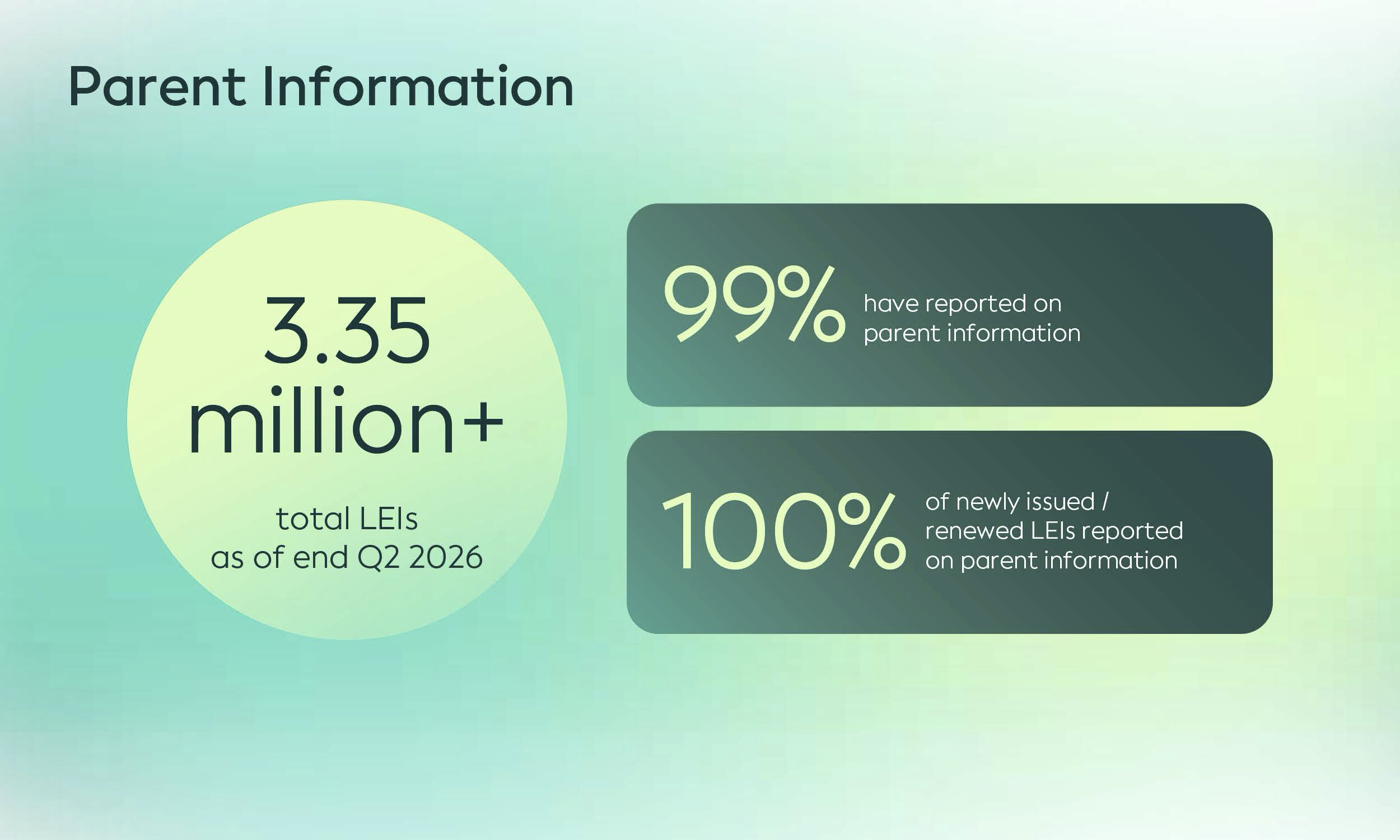
Strong growth in the Global LEI System continued in Q2 2026, with 92,000 organizations worldwide obtaining an LEI. This represents a quarterly growth rate of 3.0% and saw the total active LEI population reach over 3.1 million. The total LEI population – which includes both active LEIs and LEIs that have been retired as entities ceased operations – exceeded 3.35 million.
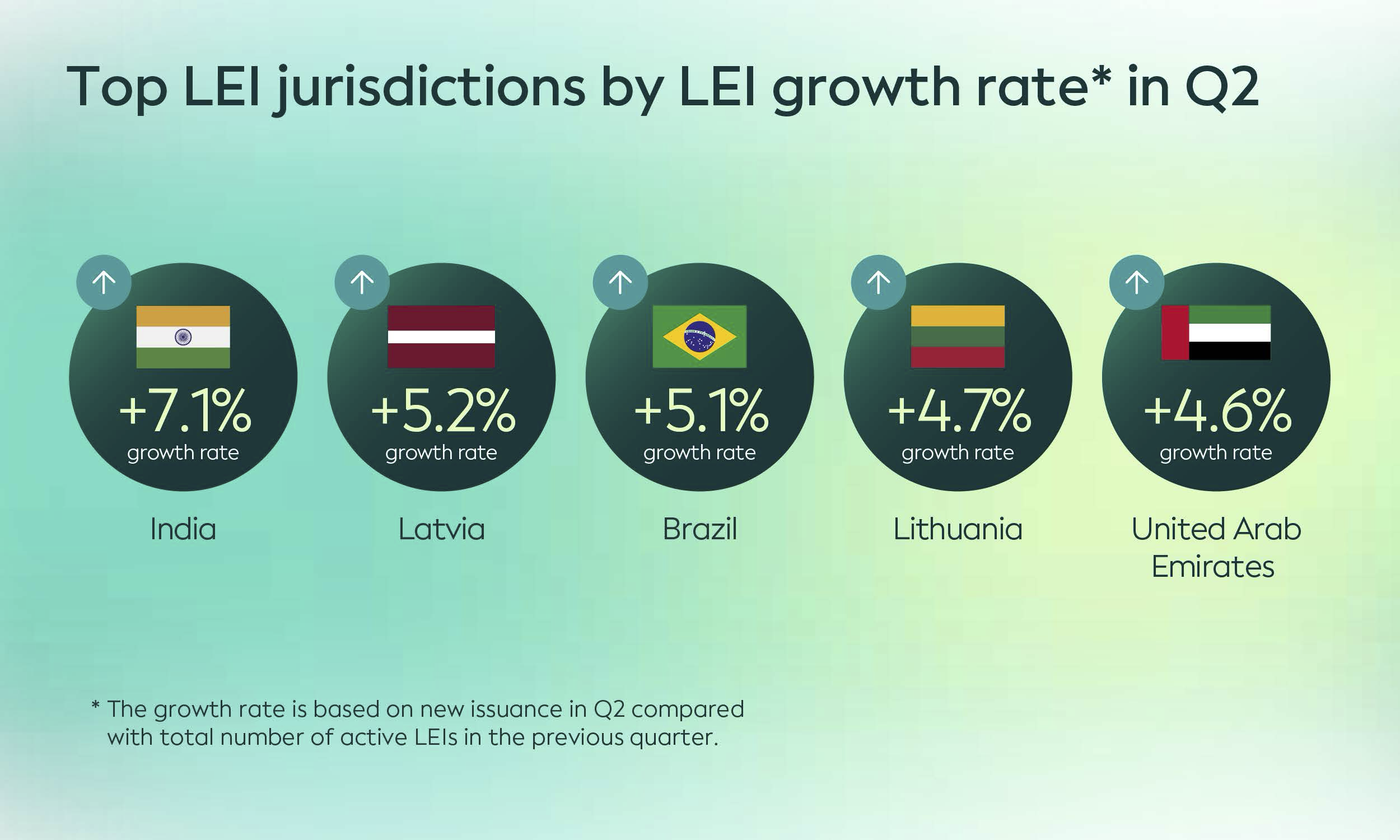
India had the highest LEI growth rate among jurisdictions at 7.1%. This followed the issuance of a master direction from the Reserve Bank of India (RBI) in March 2026, making the LEI compulsory for all market participants in the financial markets it regulates.
Brazil also made the top five growth jurisdictions for the second successive quarter, registering a 5.1% increase. The ongoing market activities of local LEI issuers are being supported by regulatory developments, with the Central Bank of Brazil (BCB) preparing a regulatory framework which will enable LEI integration in cross-border payments to align with the G20 roadmap.
This signals growing momentum for the LEI across Latin America. For instance, the Central Bank of Chile has used the LEI for derivatives reporting since 2020, but expanded the requirements to FX spot and cross-border transactions from January 2026 onwards.
More broadly, Latin America is undergoing a significant digital transformation aimed at boosting economic prosperity and productivity, with the region emerging as a leading global innovator in areas such as digital payments and trade infrastructure. As the reach and utility of the Global LEI System continue to expand, it offers businesses across the region a consistent and standardized way to prove their identity and legitimacy in payments, value chains, digital infrastructure, digital assets, and a host of other digital ecosystems.
Elsewhere, the ongoing application of the European Union’s Digital Operational Resilience Act (DORA) continued to drive growth across Latvia (5.2%) and Lithuania (4.7%). The United Arab Emirates also saw a 4.6% increase.
The Global LEI System empowers everyone, everywhere, with open, standardized, and high-quality data that is regularly revalidated to ensure it is accurate, up-to-date, and usable – promoting trust and transparency across the global economy. Key data points tracked within the Quarterly LEI System Business Reports are:
Renewal rates
The Global LEI System is unique in providing absolute transparency regarding when entity data was last verified, with the annual renewal process ensuring that both legal entities and LEI issuers review and re-validate legal entity reference data at least once per year.
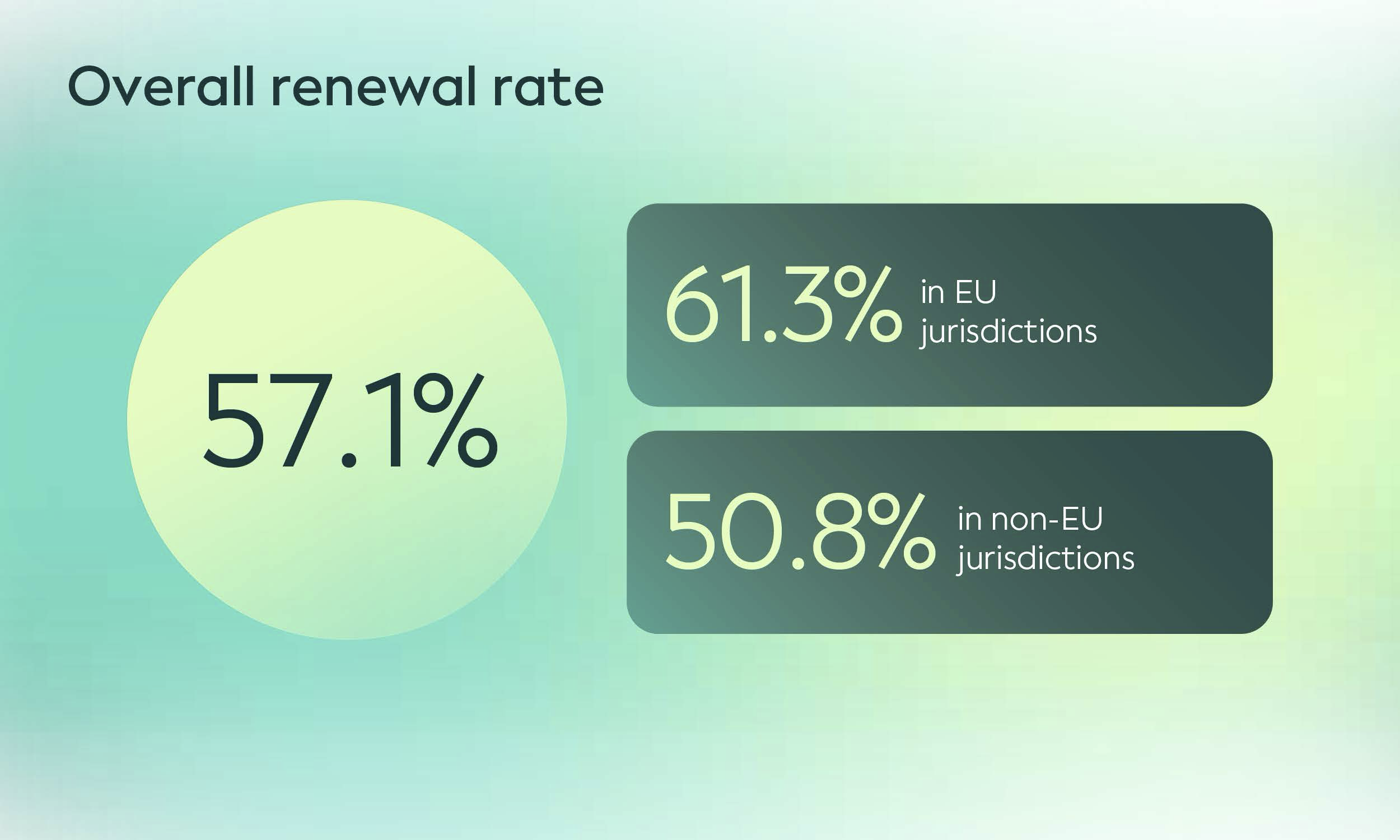
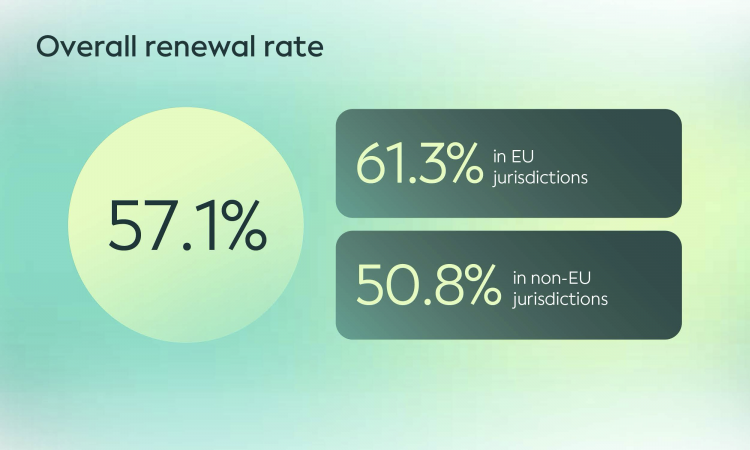
Strong growth in new issuance was coupled with a rise in renewals in Q2 2026, with the overall renewal rate reaching 57.1%. Renewals in EU and non-EU jurisdictions increased to 61.3% and 50.8% respectively, with the latter primarily due to sustained progress in the United States and United Kingdom.
The jurisdictions with the highest renewal rates were Japan (89.8%), Finland (82.1%), India (78.5%), Germany (74.4%) and Liechtenstein (71.4%).
Corroboration
Corroboration is the process of verifying the existence of a legal entity and its reference data – such as name, address, legal form, and corporate structures – against authoritative sources listed in the GLEIF Registration Authority List. LEI issuers validate the information provided by the legal entity by comparing it against the publicly available authoritative data.
87.9% of LEIs were fully corroborated at the end of Q2 2026. This means that all reference data elements have been validated against public authoritative sources.
Parent information reporting
Identifying the direct and ultimate parents of a legal entity, and vice versa, answers the question of 'who owns whom'. This allows users to connect the dots and enables deeper insights into ownership structures across corporate groups.
In Q2 2026, over 3.22 million LEI registrants – representing 99% of the total LEI population – reported information on direct and ultimate parents. 100% of LEI registrants that obtained a newly issued LEI or renewed an existing LEI in this quarter reported parent information.
Fund relationship reporting
Many legal entities with an LEI are investment funds. To better understand the relationships between fund entities and investment funds globally, three main types of fund relationships are categorized: fund management entities, umbrella structures, and master-feeder structures.
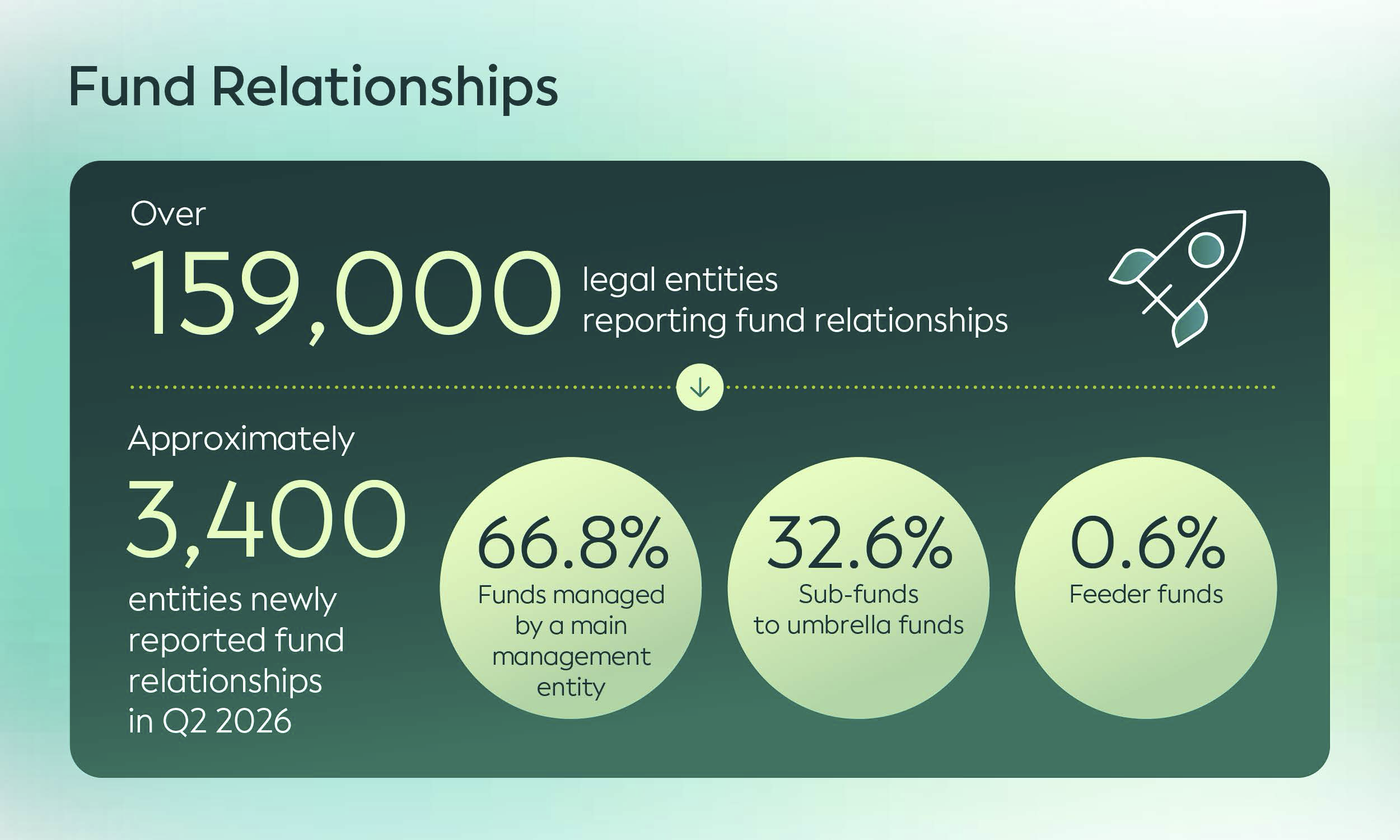
Over 159,000 legal entities reported fund relationship structures in Q2 2026, an increase of around 3,400 on the previous quarter. Among those, 66.8% were funds managed by a main management entity, 32.6% were sub-funds to umbrella funds, and 0.6% were feeder funds.
Entity categorization
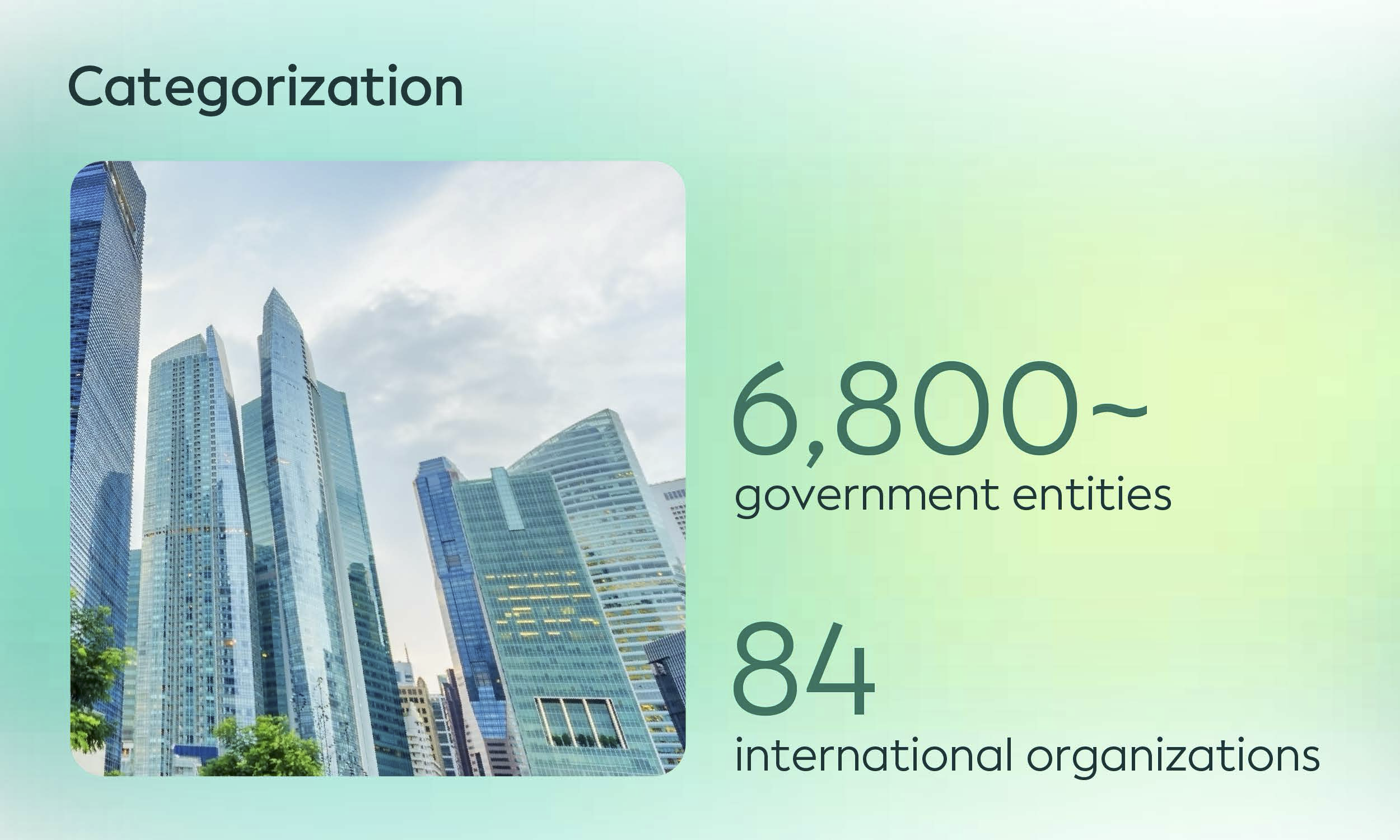
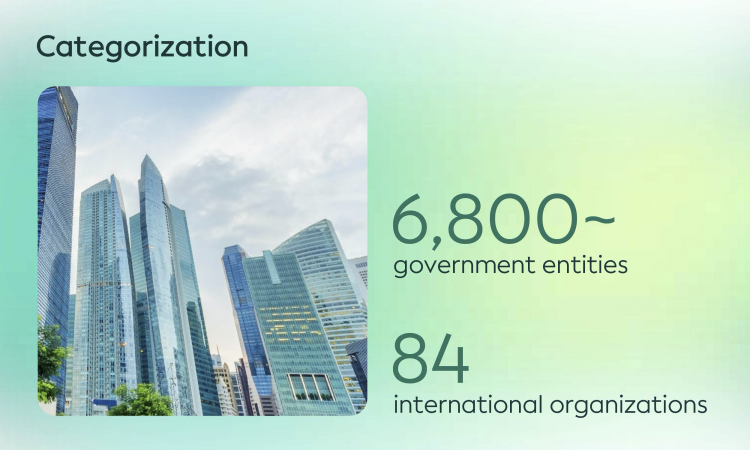
Dedicated categories have been created to identify government entities and international organizations, address the unique considerations they pose, and ensure high data quality. In Q2 2026, approximately 6,800 entities were identified as government entities (up from 6,700 in Q1 2026) and 84 as international organizations (up from 82 in Q1 2026).
For the full report, which includes further detail on the status of LEI issuance and growth potential, the level of competition between LEI issuing organizations in the Global LEI System and Level 1 and 2 reference data, please visit the Global LEI System Business Reports page.
If you are interested in reviewing the latest daily LEI data, our Global LEI System Statistics Dashboard contains daily statistics on the total and active number of LEIs issued. This feature now enables any user to review historical data by geography, increasing transparency on the overall progress of the LEI.
For further detail or to access historical data, please visit the Global LEI System Business Report Archive.
We look forward to sharing our progress each quarter as we continue to drive LEI adoption in 2026.
If you would like to comment on a blog post, please identify yourself with your first and last name. Your name will appear next to your comment. Email addresses will not be published. Please note that by accessing or contributing to the discussion board you agree to abide by the terms of the GLEIF Blogging Policy, so please read them carefully.
Alexandre Kech is the CEO of the Global Legal Entity Identifier Foundation (GLEIF).
Prior to joining GLEIF, Alexandre Kech was Head of Digital Securities at the SIX Digital Exchange. As a member of the Executive Board, Alex had full executive responsibility for the Digital Securities business vertical, including sales and relationship management, product development, business design, and ecosystem expansion.
Over the past 25 years, Alex has constructed a unique career combining finance at BNY Mellon, payments/securities infrastructure and standards at SWIFT, and blockchain and digital assets at Onchain Custodian (ONC) and, most recently, Citi Ventures. As co-founder and CEO of ONC, Alex led the Singapore and Shanghai-based team that built custody and prime brokerage services for crypto and other digital assets from scratch. As Blockchain & Digital Asset director at Citi Ventures, he built a team to engage the European ecosystem on emerging use cases for blockchain technologies and digital assets.
Alex is also involved in industry and standardization initiatives. As the convenor of the ISO TC 68 / SC8 / WG3, which produced the ISO 24165 Digital Token Identifier (DTI), he is a member of the DTI Foundation Product Advisory Committee. He also recently served as co-chair of the Global Digital Finance (gdf.io) custody working group.
Alex earned a bachelor’s degree in translation and an Executive MBA from the Quantic School of Business and Technology while building Onchain Custodian, putting theory into practice in real-time.